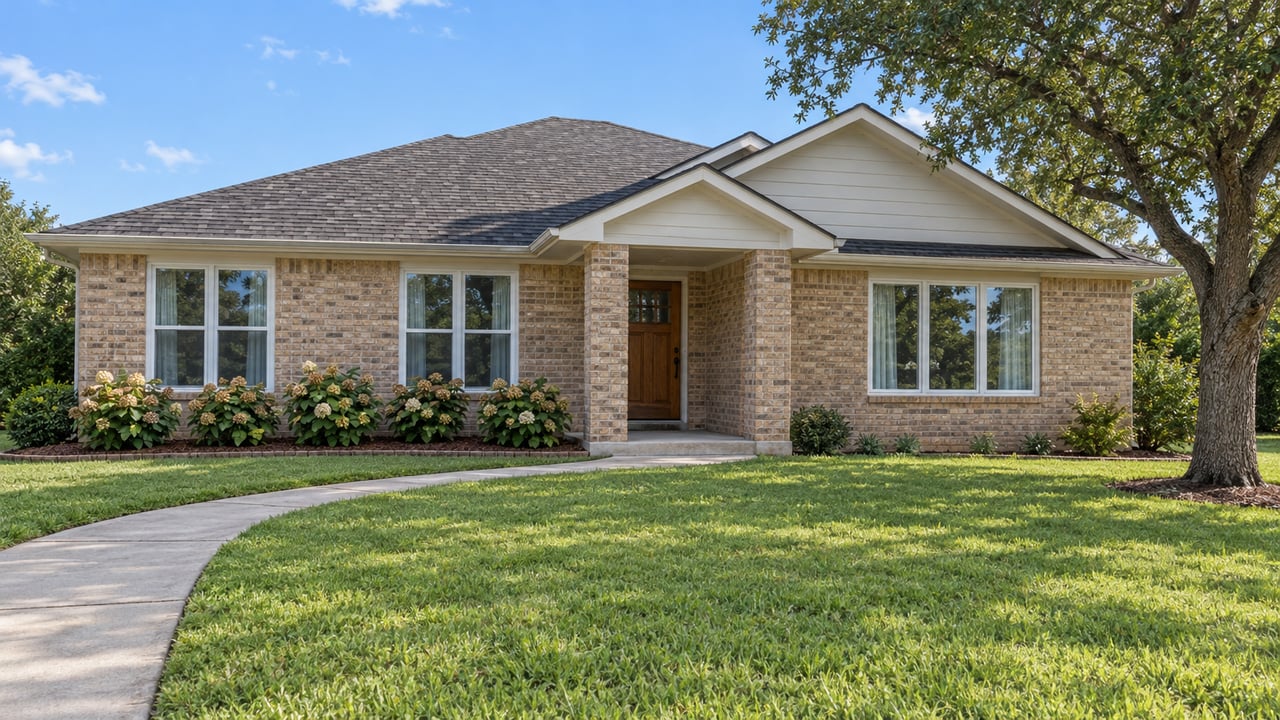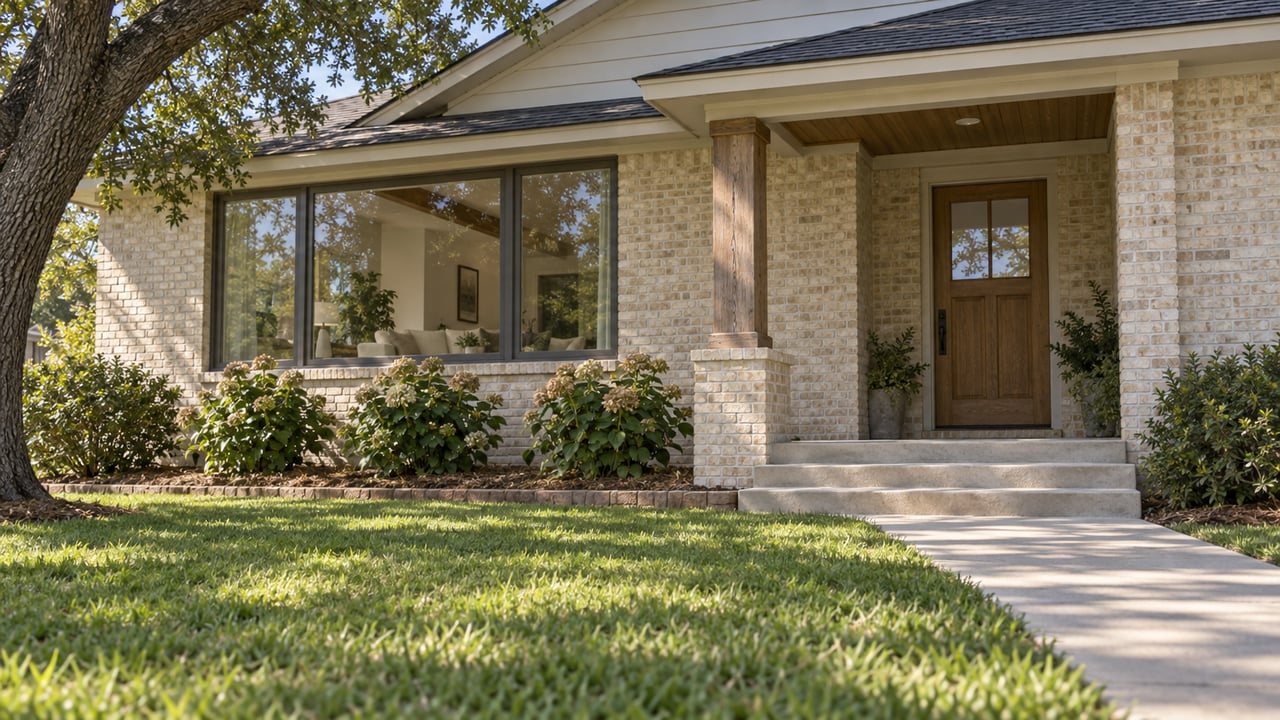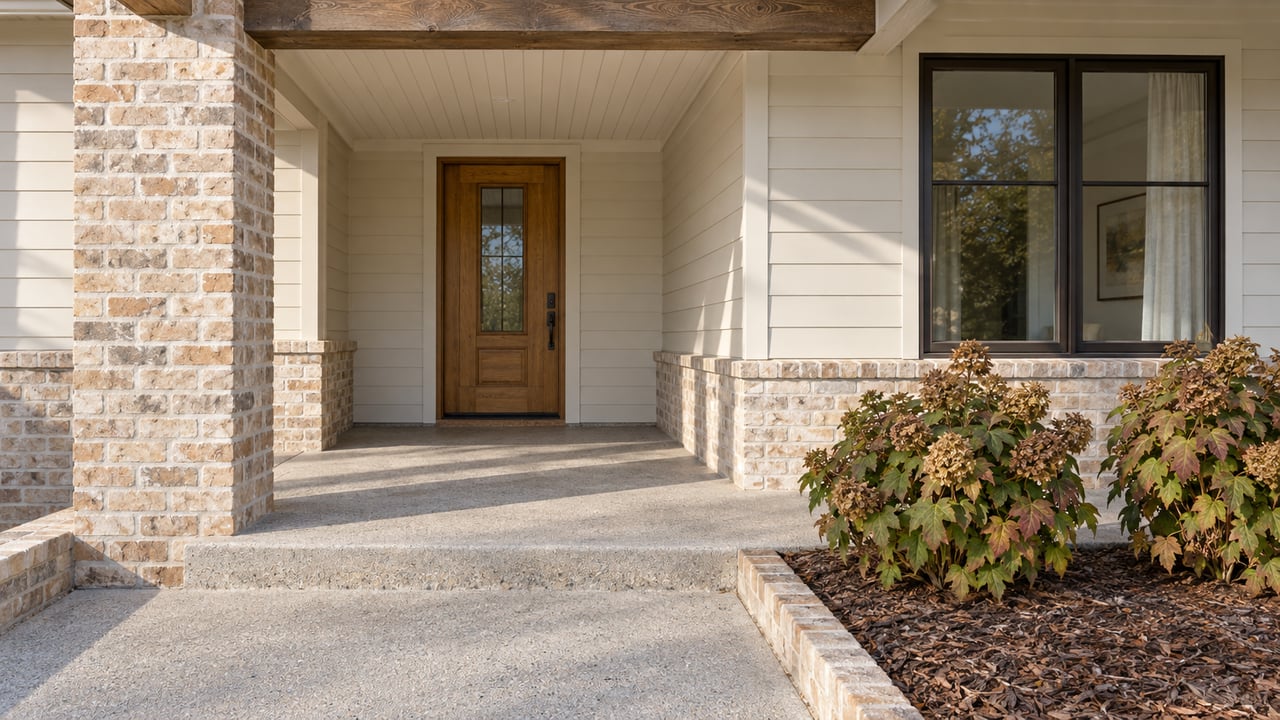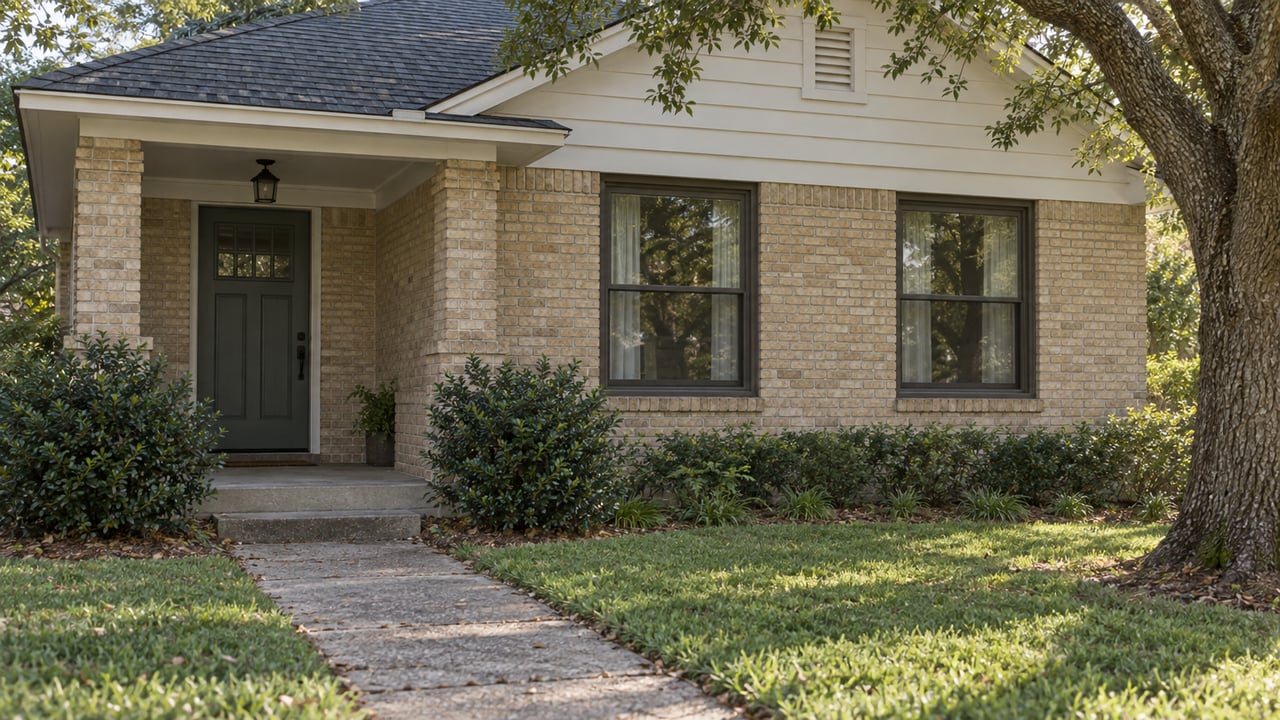
A buyer comparing two Willis land listings at the same price per acre is almost never comparing the same product. One tract may hand you a central water tap, fiber at the road, and a paved cul-de-sac. The next may need a well drilled, an aerobic septic engineered around a seasonal water table, and a legal easement negotiated with a neighbor before a truck can reach the build pad.
The sticker looks the same. The closing math is not.
The stack the sticker hides
Every buildable Willis tract carries the same three-part cost stack behind the land price: water, wastewater, and access. Each one is decided by the tract, the community, and the county, not by the seller. Before you compare two lots, price the stack:
- Water. Community central system, a shared MUD, or a private well drilled at buyer expense.
- Wastewater. Sewer connection where available, otherwise a permitted on-site sewage facility — conventional if soils allow, aerobic if they do not.
- Access and utilities to the pad. Paved community road, or a driveway you cut and an easement you record.
The gap between "central water, no MUD, fiber to the lot" and "well and aerobic on an unrestricted tract" is routinely five figures before a single stud is set. Understanding which stack you are buying is the point of the site walk.
Three Willis tracts, three different problems
Set three real Willis products against each other and the stack differences do the talking.
| Product | Water | Wastewater | Access | Tax layer |
|---|---|---|---|---|
| Republic Grand Ranch homesite (~1.5–6 ac) | Community central water | Aerobic OSSF, buyer installs | Paved private roads | No MUD, HOA $495/yr, property taxes typically under 2% |
| Unrestricted FM 830 frontage near Seven Coves | Electric via Entergy, gas via CenterPoint; MUD District #2 nearby but water/sewer buyer-verified | OSSF likely, buyer installs | Direct FM frontage | Verify per parcel |
| Interior tract, no recorded access | Well required | OSSF required | Landlocked; buyer must negotiate legal access from a neighbor or apply for a statutory easement | Verify per parcel |
The per-acre numbers on these three can land within a few thousand dollars of each other. The stack behind them cannot.
The Montgomery County rule that quietly sets your minimum lot
Buyers arriving from Harris or Fort Bend often assume half an acre is enough for a country build. In Montgomery County, the arithmetic is stricter than the statewide floor. The county's environmental health office allows one single-family dwelling per acre where public water pairs with an on-site septic, and one dwelling per one and a half acres where a private well pairs with septic. The state rule under 30 TAC Chapter 285 sets a one-acre baseline for new subdivisions on wells, and most Texas counties require 0.5 acres with public water or 1.0 acre with a private well, while Montgomery requires 1.0 acre even with public water.
The practical translation: a 1.2-acre tract advertised as "buildable" with a well is a permitting problem, not a lot. A 1.5-acre tract with community water is not.
The aerobic contract nobody prices in at showing
Most Willis soils east of I-45 push a septic design toward an aerobic treatment unit rather than a conventional gravity system. This is where a hidden recurring cost lands.
Texas is unusual in requiring three inspections per year by a licensed maintenance provider for the first two years on every aerobic system. Stricter than most states.
That mandate flows from Chapter 285 and applies whether the buyer intends to keep the contract or not. After two years, an owner can switch to self-maintenance if they complete the required training, but most keep the contract because the system needs regular professional attention. The installed system itself typically runs in the five figures depending on design. The recurring maintenance contract is a line item to write into the annual carrying cost, not a one-time closing expense.
There is one exemption worth knowing. Chapter 285 exempts single-family dwellings on 10 acres or larger from permitting, provided no effluent crosses the property line — but it does not exempt the design from standards, and sale of the property may trigger retroactive permitting. A homestead sitting on 12 unpermitted acres today can become a paperwork problem for the seller the day it goes under contract.
The access question on a cheap interior tract
Cheap per-acre pricing on Willis-area interior tracts almost always signals one of two conditions: soils that fail a conventional perc test, or the absence of a recorded easement to a public road. The first is a design cost. The second is a title cost.
A working diligence sequence before an offer on any interior or unrestricted tract:
- Pull the recorded plat and confirm road frontage or an easement of record.
- Order a site evaluation by a licensed evaluator or engineer to confirm OSSF feasibility. Under TCEQ rules, the evaluation includes a survey of the entire lot, a soil analysis in the proposed disposal area, and identification of the criteria needed to determine the system.
- Confirm water source. If a community system is claimed, get the tap fee and capacity commitment in writing. If a well is required, budget separately for drilling and yield testing.
- Confirm floodplain status through Montgomery County Environmental Health before design. The county requires floodplain status be pulled at permit.
- Ask which taxing units apply. MUD adjacency is not MUD inclusion, and the difference shows up on year-one escrow.
Any tract that clears those five and still holds its price is a tract worth writing up.
What actually drives the total
Look past the per-acre number and Willis land divides into three real product tiers, defined not by acreage but by how much of the stack the community has already absorbed.
The first tier is the built-out acreage community. Republic Grand Ranch is the cleanest example north of FM 1097. Utilities include central water, underground electricity, and high-speed fiber optic internet, with a well water system that offers fresh water with fewer contaminants than city water. The buyer inherits water, road, and utility at the lot line, then pays for a house, a driveway, and an aerobic OSSF. Homesites sit at approximately 400 feet above sea level, with parcels ranging from about 1½ to nearly 6 acres. Peach Creek Farms and Texas Grand Ranch sit in the same product tier with variations in infrastructure and deed restriction.
The second tier is the semi-serviced unrestricted parcel along a state or FM frontage. Listings on FM 830 near Seven Coves advertise electricity through Entergy and gas through CenterPoint, but water and sewer verification stays with the buyer. The upside is flexibility on use, including barndominium builds with well and septic on unrestricted acreage close to I-45. The cost is diligence.
The third tier is the interior raw tract, sometimes landlocked, priced to move. This is where the "great per-acre deal" comes from, and it is also where an unrepresented buyer can spend a year and legal fees restoring what a title read would have shown in a week.
The thesis a Willis buyer should carry into the second showing: the community and the utility stack are not lifestyle amenities. They are the price. The land is the smaller number.
FAQ
Do the 10-acre exemption rules mean I can skip the septic permit if I buy a bigger tract? The permit, yes. The design standard, no. The exemption is narrow, and a future sale can pull the system back into scope. Treat the exemption as a compliance question, not a shortcut.
Is a "no MUD" community always cheaper than one inside a MUD? Not automatically. A no-MUD community shifts infrastructure cost into HOA dues and central-water fees, which are recurring but predictable. A MUD carries a bond payment that decays over decades. Compare the twenty-year carrying cost, not the year-one bill.
How much does a licensed site evaluation cost, and when should it happen? It varies by evaluator and lot condition, and it belongs in the option period, not after closing. Under TCEQ rules, a preconstruction evaluation is required before any OSSF planning materials are submitted, so paying for it early protects the offer.
Can a landlocked tract be built on? Sometimes, through a negotiated easement or a statutory easement filing. Both add legal cost and time. Neither is guaranteed.
Land in Willis rewards buyers who read the stack before they read the price. If you are working through a comparison between a Republic Grand Ranch homesite, an unrestricted FM frontage tract, and something interior with a per-acre number that looks too good, James Andrew can walk the lots, pull the diligence, and price the whole stack alongside you before you write the offer.